The 2026 PGA Innovation Showcase made one thing clear: the gap between professional golf technology and everyday players is closing fast. From real-time swing analysis to hyper-realistic simulators, the gear on display this year showed that tools once limited to tour professionals are now arriving at local driving ranges and sports bars near you.
If you have ever wondered why you keep slicing the ball or what the future of golf actually looks like in practice, this recap covers the standout tech from the event. It also addresses the debate happening inside the sport right now, and breaks down what all of it means for your game, your budget, and how you watch golf going forward.
Golf Simulators Are Not What They Used to Be
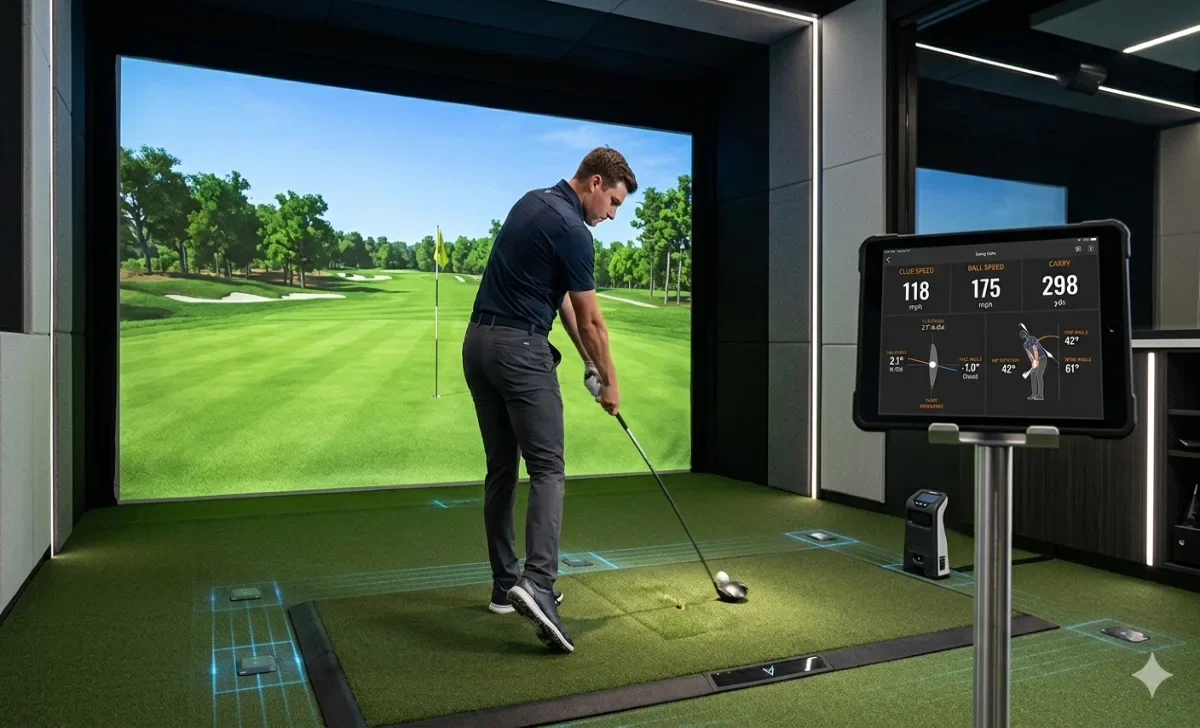
For years, golf simulators were the backup option. You'd hit into a screen, watch a basic rendering of Pebble Beach, and call it a round. The leap forward in simulation technology at this year's PGA Innovation Showcase was hard to ignore.
The graphical quality has improved, but that's not the main story. These new systems track your biomechanics in real time. One demo mapped a full swing sequence, pinpointed a hip alignment issue, and then suggested a specific correction that felt intuitive. It didn't throw a wall of numbers at you; it showed you exactly what to fix and why it mattered.
That is where the real change is happening. People don't just want to play; they want to improve, and they want the experience to feel real. The new golf technology on show has finally caught up to both of those things at once. Casual players get an experience that looks and feels authentic. Dedicated golfers get the kind of data that used to cost them a session with a professional coach.
For a broader look at how immersive technology is shaping live golf experiences alongside these simulator advances, this piece on the PGA Innovation Showcase and immersive entertainment fills in the picture well.
Is This Still Golf? The Purist Question
Standing in a demo bay, wearing a VR headset, and hitting a ball into a screen, a question comes up. Is this still golf?
There's a genuine tension in the sport right now between people excited about where technology is heading and those who think it misses the point entirely. The purist argument is real: golf is about the walk, the weather, and the company you keep. You can't put a sunrise on the first tee into a simulator bay. That objection deserves to be heard, not dismissed.
But the broader pattern tells a different story. When people build a real connection to a sport through technology, they tend to engage with the traditional version more, not less. A teenager who plays a virtual round at Augusta National at their local sports complex learns course strategy, reads greens, and thinks about club selection. When they step onto real grass, they are playing the game, not just hacking away.
Think of the simulator experience as a global on-ramp. It builds the emotional connection that turns a curious beginner into a committed player. That is good for the sport at every level. This new golf technology is growing the audience for the real game, not pulling people away from it.
How Sports Broadcasts Are Shifting
The 2026 PGA Innovation Showcase was not only about clubs, simulators, and golf swing analysis tools. One session focused on how sports broadcasts are changing, and it drew a serious crowd.
The concept on display was a broadcast where live action, real-time stats, and relevant odds blend into one personalized view for each viewer. If you follow fantasy sports, the feed highlights your specific matchups without you having to navigate a separate menu. If you just want clean statistics, you get those instead. The interface learns what you care about and shows you that.
This kind of shift is already visible across major sports. Recent Super Bowl LX viewership numbers showed that audiences are consuming live sports across more platforms and devices than ever before, which is pushing broadcasters to rethink the experience from the ground up. You can see the full numbers and what they reveal here: Super Bowl LX viewership final 2026 numbers.
The natural question that follows all of this is where the line sits between useful personalization and genuine intrusion. If the broadcast knows what team you follow, what bets you've placed, and what stats you prefer, how much data is it holding? The industry is asking that question more seriously now. It hasn't fully answered it yet.
What This Means for Your Game
It's easy to look at showcase demos and assume they're impressive but not relevant to your Saturday morning round. That assumption is becoming less accurate every year.
For casual players, expect the simulators at your local Topgolf or sports bar to look significantly better within the next 12 to 24 months. The blocky graphics are going away. Playing a virtual round at a famous course for the price of a bucket of range balls is no longer a fantasy; it's already happening at the better venues.
For dedicated golfers, the best golf simulators now come with genuine biomechanical tracking. The era of guessing why you sliced your drive is ending. Your phone, your watch, and a properly equipped simulator bay can now identify the exact mechanical cause, including club path, face angle at impact, and hip rotation timing. You get the kind of diagnosis that used to require an expensive session with a teaching professional.
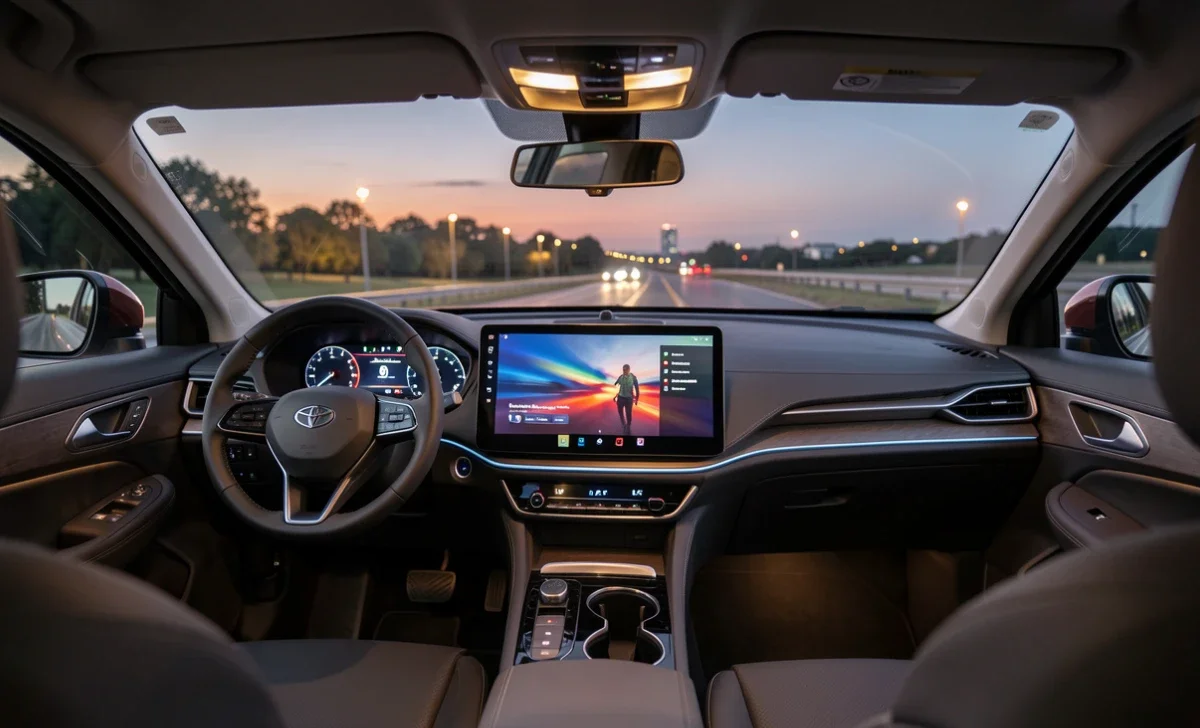
For the tech-curious, keep an eye on how these tools spread beyond golf. The sport has quietly become a testing ground for the kind of engagement tools that will shape how you watch football, basketball, and other live events. In-car streaming technology is already following a similar track, bringing personalized, screen-based content into entirely new environments. This explainer on in-car streaming is a good companion read if you want to understand where that trend is heading.
The Takeaway from This Year's Event
Walking out of the showcase, the feeling wasn't just excitement. It was a kind of clarity.
The core of golf has not changed. That sensation when you strike a clean shot is exactly what it has always been. But the tools around that moment are improving fast, and they are reaching real players at real price points.
The 2026 PGA Innovation Showcase confirmed something worth saying plainly: golf technology is no longer running ahead of what people actually need. It is right where it should be, practical, improving, and starting to land where everyday players can use it.
FAQs
When and where is the PGA Innovation Showcase held?
The PGA Innovation Showcase takes place annually as part of the wider PGA Show. The 2026 event continued that schedule, bringing together gear manufacturers, tech developers, and golf industry professionals to preview what is coming next.
Is the technology from the showcase available to buy yet?
Some of it is. Several golf swing analysis tools and simulator upgrades shown at the event are already on the market or arriving within the next 12 months. Others are still in the demo or pre-production phase. Checking directly with the brands shown is the most reliable way to confirm what you can actually buy today.
How much do the new best golf simulators cost?
Prices vary significantly. Commercial-grade systems designed for venues like Topgolf can reach tens of thousands of dollars. Consumer-level setups with solid biomechanical tracking start from around $1,000 to $5,000, depending on the features included. The gap between professional venue systems and home setups is narrowing every year.
How accurate are swing analysis tools compared to a real coach?
Current tools are strong at identifying specific mechanical issues, including club path, face angle, and hip rotation timing. A good coach still provides context, feel, and in-person feedback that no sensor can fully replicate. The most effective approach uses both together rather than treating them as alternatives.
Disclaimer: Pricing figures referenced in this article reflect available market data at the time of writing and may vary by region and retailer. Always verify current availability directly with manufacturers.