We live in a world that is more connected than ever before. Yet, racial discrimination, bias, and inequality still exist in workplaces, schools, neighborhoods, and even online spaces. The question isn't whether racism is a problem — it's what we can do about it.
That's where racism education comes in.
Teaching people — especially children — about racism, its history, its effects, and how to fight it is one of the most powerful tools we have. It builds empathy, promotes fairness, and helps create communities where everyone is treated with dignity.
In this article, you'll discover 10 clear and compelling reasons why racism education is important, along with expert tips, common mistakes to avoid, and answers to the most frequently asked questions on this topic.
Whether you're a parent, teacher, policymaker, or just someone who cares about a better world — this guide is for you.
1. It Helps Children Recognize Racism Early
One of the most important reasons racism education matters is that children are not born with racial bias — they learn it. Research from the American Psychological Association shows that children start noticing racial differences as early as age 3. If those observations go without context or conversation, biases can quietly form.
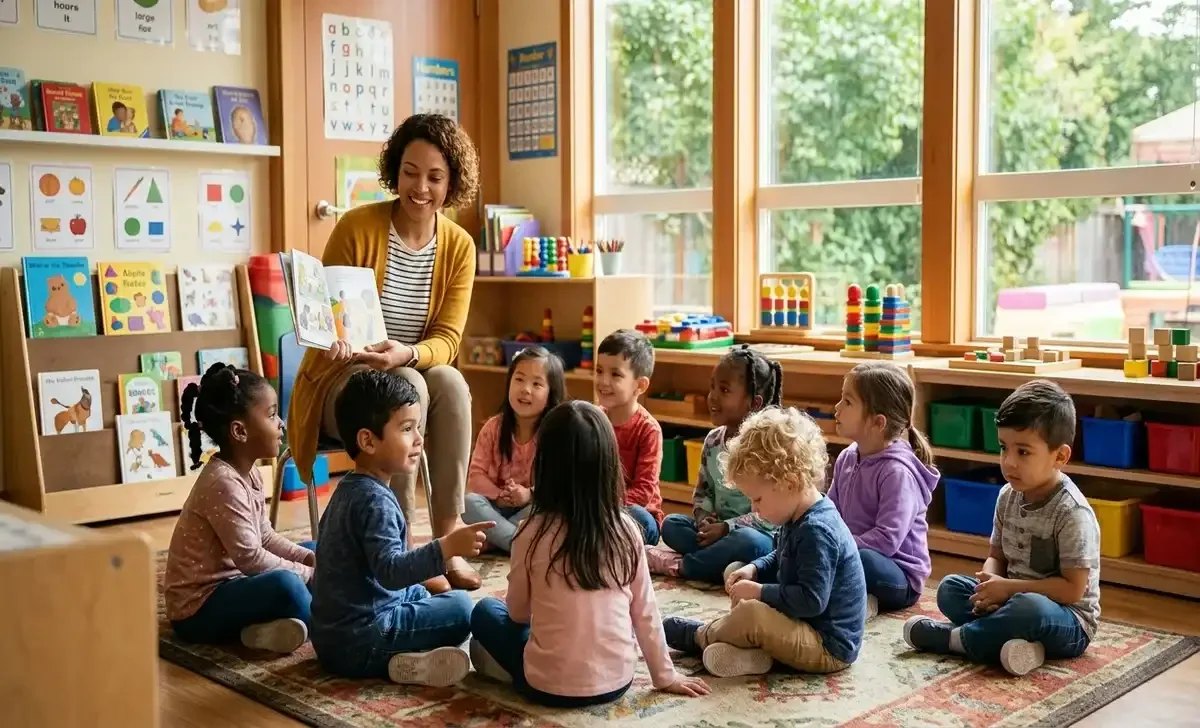
When schools and parents teach children what racism looks like — whether it's a mean comment, an unfair rule, or a hurtful stereotype — kids can identify it in real life. They learn to say, "That's not right," instead of staying silent.
Early education also means children grow up with the confidence to speak up. They learn that noticing racism isn't rude or political — it's necessary. And the earlier this lesson begins, the more naturally it sticks.
Practical Tip: Use age-appropriate books that feature diverse characters and discuss fairness openly at home. Even simple conversations — "Why do you think that happened to them?" — go a long way.
2. It Builds Empathy and Emotional Intelligence
Empathy is the ability to understand and share the feelings of another person. Racism education teaches students to step into someone else's shoes — to understand what it feels like to be treated differently because of your skin color, background, or ethnicity.
This is not just a social skill. It's a human skill.
When students learn real stories of people who have experienced discrimination — through history, literature, films, or personal testimonies — they connect emotionally. That emotional connection changes how they treat others. They become more thoughtful, more kind, and more aware.
Schools that prioritize social-emotional learning (SEL) alongside racism education tend to produce students who are better communicators, better collaborators, and better citizens.
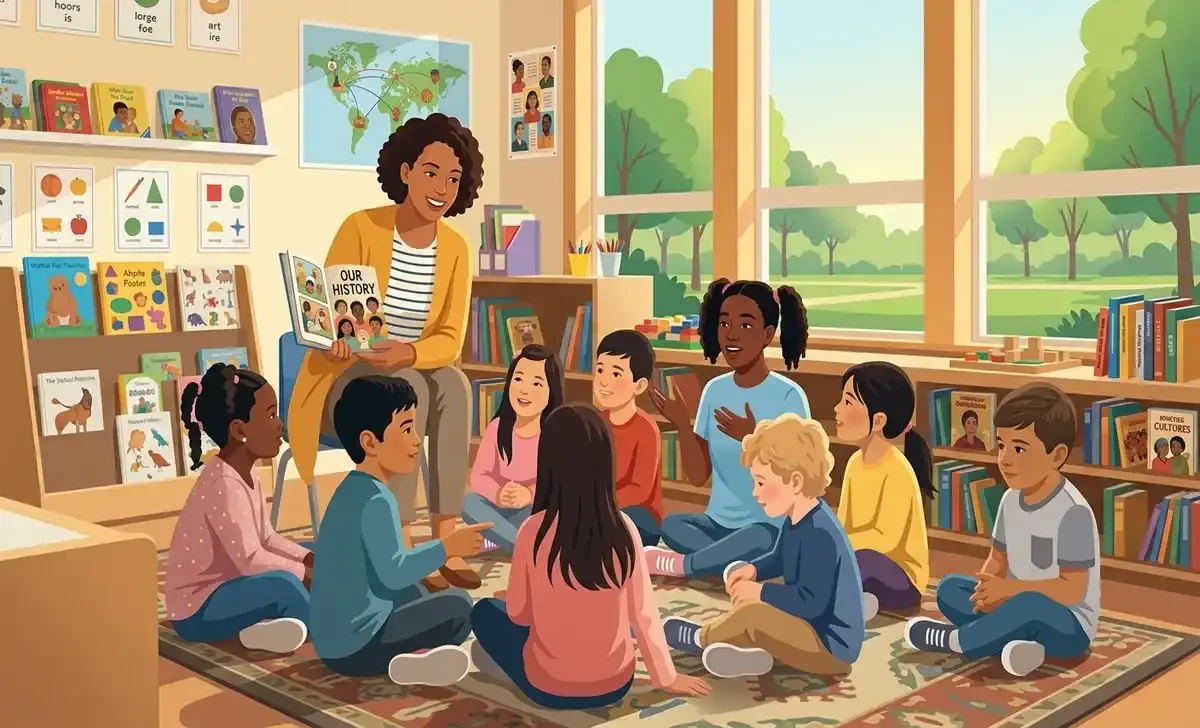
Practical Tip: Encourage storytelling in classrooms. Ask students to research and share the experiences of people from different racial backgrounds. First-person narratives create lasting impact.
3. It Corrects Historical Misinformation
For generations, history books in many countries told incomplete — or outright misleading — stories. Colonialism was taught as "discovery." Slavery was downplayed. The contributions of people of color were ignored or erased.
Racism education fills in those gaps with truth.
When students learn the full, honest history of race — including the transatlantic slave trade, apartheid, colonial violence, the civil rights movement, and indigenous displacement — they develop a clearer, more accurate understanding of the world they live in today.
This matters because many of today's inequalities are rooted in historical injustice. You cannot understand why certain communities face higher poverty rates or limited access to quality education without understanding how that came to be.
Practical Tip: Use primary sources — letters, speeches, photographs, and documents from the people who lived through these events. Let history speak for itself.
4. It Reduces Racial Bias in Workplaces and Institutions
Racism doesn't stop at the school gate. It shows up in hiring decisions, housing applications, healthcare access, and the justice system. Studies consistently show that people with names that "sound" non-white receive fewer job callbacks, even when their qualifications are identical.
This is called implicit bias — prejudice that operates below conscious awareness.
Racism education helps people recognize their own unconscious biases. Workplace diversity training rooted in solid anti-racism principles has been shown to reduce discriminatory hiring practices and improve team dynamics.
When people understand why they have certain assumptions — and where those assumptions come from — they are more equipped to challenge them.
Practical Tip: Organizations can conduct annual implicit bias training and create transparent hiring policies that focus on skills and merit rather than background assumptions.
5. It Empowers Marginalized Communities
Education is power. And for communities that have historically been silenced or overlooked, racism education is especially validating.
When students of color see their histories, cultures, and contributions represented in the curriculum, it sends a clear message: You matter. Your story matters. Your people matter.
This representation boosts self-esteem, academic motivation, and a sense of belonging. It tells young people of color that they are not an afterthought — they are part of the story.
At the same time, racism education empowers all students to become allies. It teaches white students and others from majority groups that they have a role to play in dismantling racism — not out of guilt, but out of genuine solidarity.
Practical Tip: Audit your school's reading list. Does it include authors and stories from diverse racial backgrounds? If not, it's time to expand the library.
6. It Promotes Inclusive Classrooms and Schools
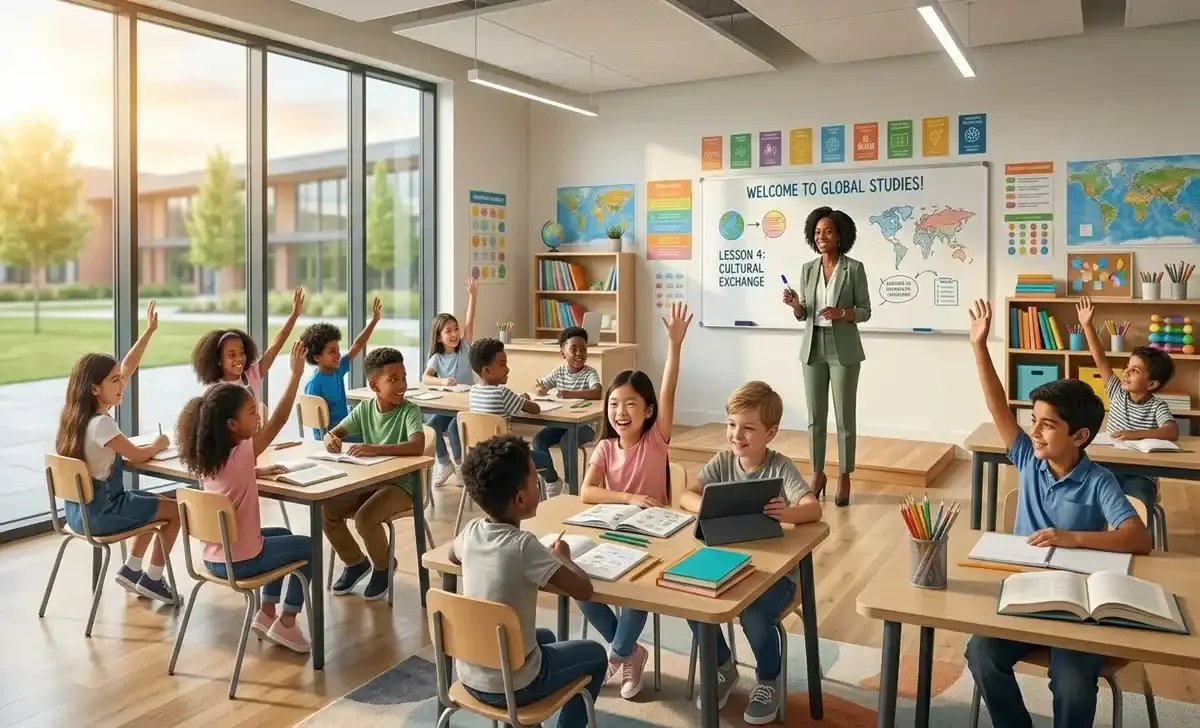
A classroom where racism is openly discussed is a safer classroom. When students know that discrimination won't be tolerated — and that they have the language and tools to address it — they feel more secure.
Inclusive education benefits everyone, not just minority students. Research consistently shows that diverse and inclusive learning environments improve creativity, critical thinking, and academic performance across the board.
Teachers who receive training in anti-racist pedagogy are better equipped to manage difficult conversations, handle racially charged incidents, and create lesson plans that reflect all students' realities.
Practical Tip: Schools should invest in ongoing teacher training on diversity, equity, and inclusion (DEI) — not just a one-time workshop, but regular, embedded professional development.
7. It Prepares Students for a Diverse World
Today's students will enter a workforce, a neighborhood, and a world that is more racially and culturally diverse than ever before. If they have never been taught how to communicate respectfully across differences, they will struggle.
Companies increasingly value employees who can work in multicultural teams. Universities look for students who demonstrate global awareness. Communities thrive when their members know how to collaborate across racial lines.
Racism education isn't just about the past — it's preparation for the future. It gives students the cross-cultural competency they need to succeed in a globalized world.
Practical Tip: Include international case studies, global perspectives, and guest speakers from different cultural backgrounds in your curriculum to make this lesson concrete and relevant.
8. It Encourages Critical Thinking
One of the best gifts education can give a student is the ability to question what they see, hear, and read. Racism education teaches exactly that.
When students analyze media portrayals of different racial groups, examine how language can carry bias, or study statistics on racial disparities in education and health — they are practicing critical thinking at its finest.
They begin asking: Who tells this story? Whose voice is missing? What assumptions are baked into this data?
These are not just anti-racism skills. These are life skills that make people smarter consumers of information, more discerning voters, and more thoughtful leaders.
Practical Tip: Bring media literacy into racism education. Have students compare how the same event is reported by different news outlets with different editorial perspectives.
9. It Breaks the Cycle of Generational Prejudice
Racism is often passed down through families — not always intentionally, but through offhand comments, inherited stereotypes, and cultural attitudes that go unchallenged. A grandparent's prejudice becomes a parent's assumption becomes a child's behavior.
Education interrupts that cycle.
When children learn early that racism is harmful — and why — they are more likely to challenge prejudiced attitudes they encounter at home or among peers. They become a positive influence within their own families and communities.
This is not about shaming families or erasing cultural identity. It's about giving the next generation the tools to choose something better.
Practical Tip: Schools can send home "conversation starter" guides for parents — simple questions and topics that help families engage with these issues at the dinner table.
10. It Lays the Foundation for Systemic Change
Individual attitudes matter — but racism also lives in systems: laws, policies, institutions, and structures that disadvantage certain racial groups regardless of individual intent.
Racism education helps students understand systemic racism. It teaches them why changing personal behavior is important but not sufficient on its own. Real equality requires changing the rules, not just the people who follow them.
Students who understand systemic racism grow into adults who advocate for fair housing policies, equitable school funding, criminal justice reform, and equal healthcare access. As explored in the broader relationship between higher education and democracy, an informed citizenry is essential for holding institutions accountable and driving meaningful policy change. They vote differently. They lead differently. They build differently.
Practical Tip: Incorporate civic education alongside racism education. Teach students how laws are made, how policies affect communities, and how ordinary people can drive systemic change.
Expert Tips
- Start early. Children as young as 5 can understand fairness and unfairness. Use simple, clear language.
- Be consistent. Racism education shouldn't be a single lesson — it should be woven throughout the school year across subjects.
- Center lived experience. Books, films, and speakers who share personal stories are often more impactful than textbooks.
- Create psychological safety. Students need to know they can ask questions, make mistakes, and learn — without fear of judgment.
- Measure progress. Use surveys and feedback to evaluate whether your racism education efforts are actually shifting attitudes and improving inclusion. Sustained investment in education — including adequate funding for DEI programs and teacher training — is what transforms good intentions into lasting outcomes.
Common Mistakes to Avoid
- Making it a one-time event. A single assembly or workshop doesn't change deeply held beliefs. It requires sustained, repeated engagement.
- Focusing only on the past. Racism is not just historical. Students need to understand how it operates in the present day.
- Ignoring teacher preparation. Untrained teachers can unintentionally cause harm. Professional development is essential.
- Teaching guilt instead of responsibility. The goal is not to make students feel ashamed of their identity — it's to help them understand their role in building a fairer world.
- Avoiding discomfort. Meaningful learning often feels uncomfortable. Steering away from difficult conversations weakens the entire effort.
FAQs
Q1: What is racism education and why does it matter?
Racism education refers to learning about the history, causes, and effects of racial discrimination — and how to challenge it. It matters because racism continues to harm individuals and communities, and education is one of the most effective tools to combat it.
Q2: At what age should racism education begin?
Research suggests that conversations about race can begin as early as age 3–5, using simple, age-appropriate language. The earlier children learn to recognize unfairness, the better equipped they are to respond to it.
Q3: How is racism education different from political indoctrination?
Racism education is grounded in facts, history, and human rights principles — not political ideology. It teaches students to think critically, not to adopt a specific political stance. Teaching accurate history and promoting human dignity is not political — it's essential.
Q4: How can parents support racism education at home?
Parents can read diverse books with their children, have honest conversations about race, model respectful behavior, and engage with their children's school curriculum. Even small conversations make a big difference over time.
Q5: What is the difference between anti-racism education and diversity training?
Diversity training focuses on acknowledging and celebrating differences. Anti-racism education goes further — it actively works to identify and challenge racial bias, both personal and systemic. Both have value, but anti-racism education tends to be more action-oriented.